Where they started
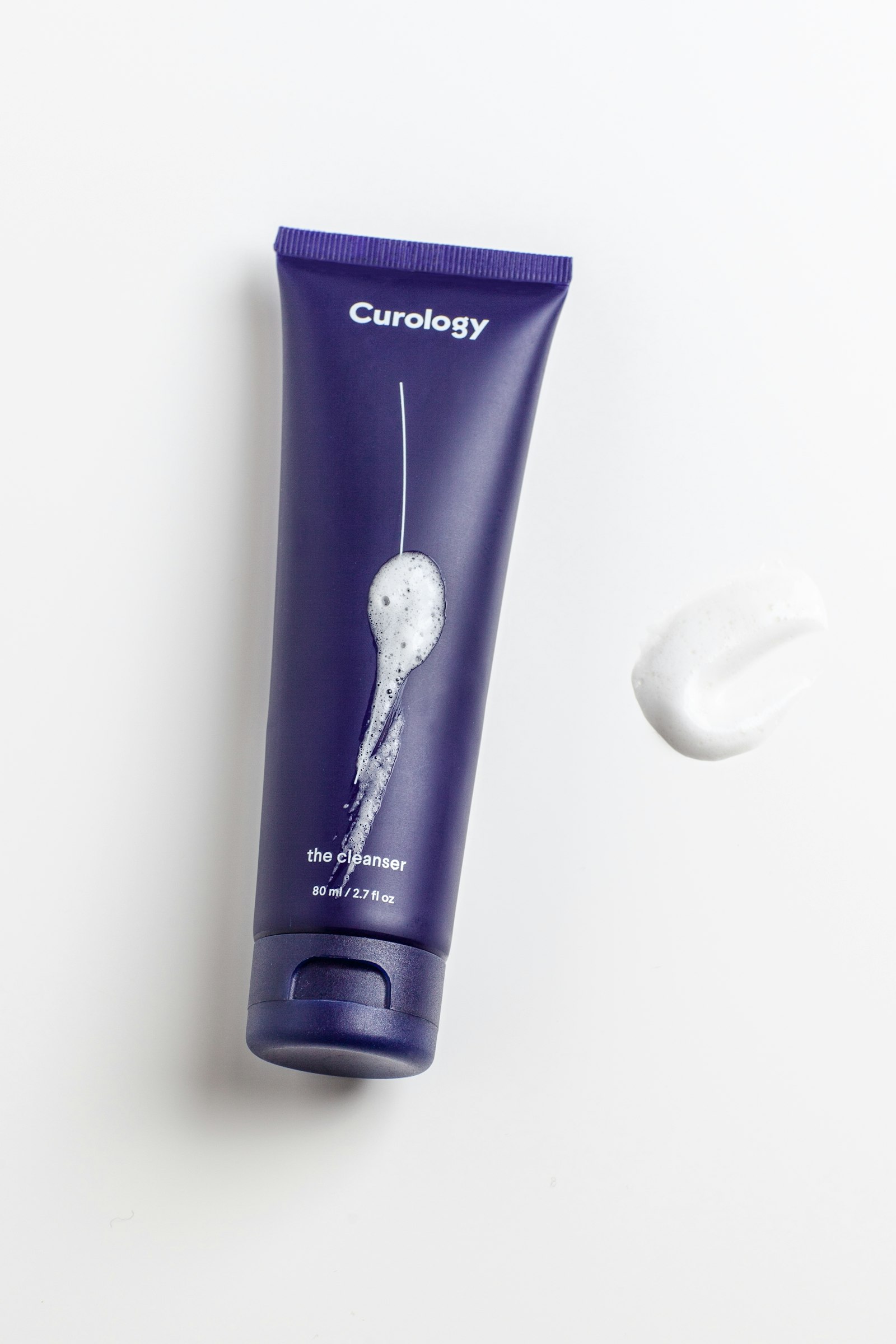
The founder reached out to us in early 2023. She'd spent six years inside a major beauty brand and was launching her own line: three SKUs, clean formulations, and a strong point of view on what was missing in the category. What she didn't have was a name, a brand, a website, or any meaningful customer-facing presence.
She'd been quoted three options from three other agencies before us. One quoted her $180K for a brand sprint plus website. One quoted $40K and a six-week turnaround. The third proposed a retainer model with vague deliverables.
She didn't want any of them. She wanted a small team that would still be around in three years — and could be trusted to do every part of the work, not just the part that fit the agency's structure.
What we did, phase by phase
Phase 1 — Brand sprint (weeks 1–6). We started with positioning, not naming. Three weeks sitting with the founder, her formulations, her POV on the category. Naming followed — we generated about forty candidates, brought eight forward, killed seven, and arrived at the name in week five. Visual identity followed naming. By end of week six we had a complete identity system: wordmark, secondary marks, color, typography, packaging direction, photographic style.
Phase 2 — Website build (weeks 7–14). Shopify, custom theme, mobile-first. We chose Shopify over headless deliberately — the founder wanted to operate the site herself within a year, and Shopify's admin makes that possible in a way most headless builds don't. The first version was deliberately small: home, about, two PDP layouts, a journal. Eight weeks design and build, two weeks QA and content load.
Phase 3 — Launch and paid (weeks 15–20). A six-week paid launch program across Meta and Google. We didn't try to scale immediately — we used the first 60 days to find the creative angles that worked and the audiences that responded. The early paid math was deliberately conservative. By week 20 we had three winning creative angles and a paid ROAS of 2.4×.
Phase 4 — Compounding (year 1 and beyond). From month six forward we've operated as their ongoing studio. Monthly retainer covering paid management, weekly creative drops, quarterly content publishing, ongoing site updates, and the seasonal campaign work. Most of the lift in years two and three has come from compounding — the same disciplines, executed consistently, producing better and better results.
What worked, and what didn't
Two things made the most difference. The first was treating the brand as the foundation, not the wrapper. We spent six weeks on positioning and identity before writing a line of paid copy. That work paid off three years later — the brand voice has held up through three product launches, two seasonal campaigns, and a complete site redesign.
The second was being patient with paid. We turned down the founder's request, in month three, to push spend to $40K/month before we'd validated the creative. We held the line at $12K/month for another six weeks, found the winners, then scaled. The founder later told us this was the single decision that made the difference.
What didn't work: our first attempt at TikTok, in year one, burned through $18K with nothing to show for it. We'd briefed the wrong creator-style content, the platform wasn't a fit for the brand voice at that point, and we stopped after eight weeks. We've revisited TikTok in year three with a different approach — and it's working — but the first attempt was a learning that cost real money.
"They've been a partner for three years. We've grown 4× and we've never had to write a brief twice."
Where they are now
Three years in: the brand is profitable, growing month-over-month, expanding into wholesale, and approaching a Series A conversation. The paid program runs at a 3.8× blended ROAS with a CAC 38% lower than year one. The site has been rebuilt once (year two) and is being prepared for a third iteration as the product line expands.
We remain the only outside marketing team. The founder hired her first in-house growth person in month thirty — and his job, by mutual agreement, isn't to replace us but to operate alongside us. That arrangement has worked because the relationship is at this point more like a partnership than a vendor engagement.
The next conversation — coming up in the next few months — is about international expansion. We'll write that case study in another year.